
Do You Need Planning Permission for Building Work in Stevenage?
If you’re planning building work at your home in Stevenage, one of the first questions you’ll need to answer is whether planning permission is required. Understanding this early can help avoid delays, unexpected costs, and potential enforcement issues later on.
In this guide, we explain when planning permission is needed, what types of work may fall under permitted development, and what Stevenage homeowners should consider before starting a building project.
What Is Planning Permission?
Planning permission is approval from the local planning authority that allows certain types of building work to go ahead. It is designed to control development, protect neighbouring properties, and ensure changes are appropriate for the area.
Not all building projects require planning permission, but it’s important to confirm requirements before work begins.
What Is Permitted Development?
Permitted development rights allow homeowners to carry out certain building works without submitting a full planning application, provided specific rules are met. These rights commonly apply to:
- Some house extensions
- Loft conversions
- Internal alterations
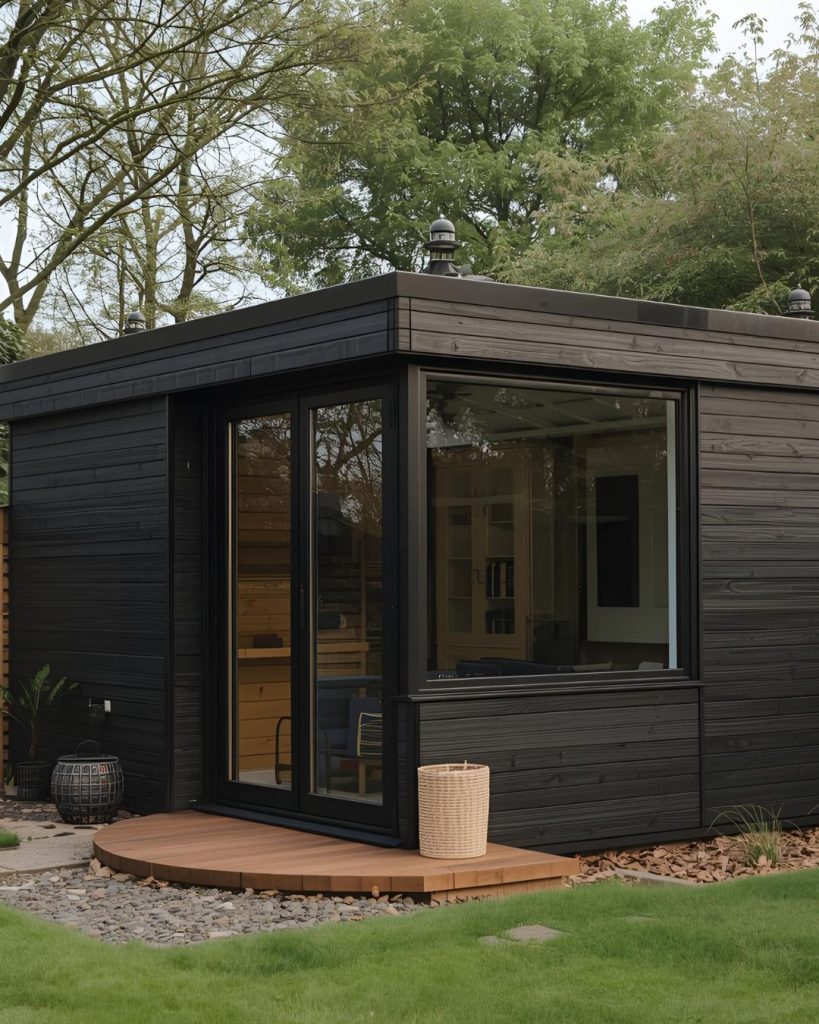
- Certain outbuildings, such as garden rooms
However, strict limits apply to size, height, location, and overall impact.
Building Work That Usually Requires Planning Permission
You are more likely to need planning permission in Stevenage if your project involves:
- Large or two-storey extensions
- Extensions that extend beyond permitted size limits
- Building close to boundaries
- Major changes to the front of the property
- Structural alterations that significantly change the building’s appearance
Properties in conservation areas or with previous extensions may also face additional restrictions.
Building Work That Often Does Not Require Planning Permission
Many projects can be carried out without planning permission, including:
- Internal refurbishments and layout changes
- Some single-storey rear extensions
- Loft conversions within permitted limits
- Garage conversions (where the structure remains unchanged)
Even when planning permission isn’t required, building regulations approval is still essential.
The Role of Building Regulations
Building regulations are separate from planning permission and focus on safety and construction standards. Most building work requires compliance with building regulations, covering areas such as:
- Structural integrity
- Fire safety
- Insulation and energy efficiency
- Drainage and ventilation
Approval is usually required regardless of whether planning permission is needed.
How to Check If You Need Planning Permission
Before starting work, homeowners should:
- Review permitted development rules
- Check the property’s planning history
- Consider the size and location of the proposed work
- Speak to the local planning authority if unsure
Seeking professional advice early can prevent costly mistakes.
What Happens If You Build Without Permission?
Carrying out work without the required permission can result in enforcement action, fines, or being required to undo completed work. It can also cause problems when selling the property.
Confirming permissions in advance helps protect both your investment and your peace of mind.
Planning Permission for Extensions in Stevenage
Home extensions are one of the most common reasons planning permission is required. While many rear extensions fall under permitted development, side or two-storey extensions often require approval.
Each project should be assessed individually to ensure it complies with local guidelines.
Final Thoughts
Planning permission doesn’t need to be complicated, but it does need to be handled correctly. Understanding what applies to your project helps avoid delays and ensures your building work progresses smoothly.
If you’re unsure whether planning permission is required, getting advice before work begins is always the safest approach.